
Natural Antifungal Herbs for Candida Overgrowth (Candidiasis) Treatment
While many yeast species can cause infection, Candida species (spp.) are responsible for the majority of fungal infections in humans. Infections caused by Candida spp. are collectively known as candidiasis. Individuals with certain risk factors, including diabetes mellitus, cancer, pregnancy, burns, AIDS, and a history of antibiotic, immunosuppressant, or corticosteroid use, are at increased risk of developing candidiasis. Clinical manifestations of candidiasis can range from asymptomatic mucosal colonization to invasive, potentially life-threatening disease.1
Fortunately, superficial cutaneous and mucosal candidiasis are far more common than invasive infections.1 Nevertheless, Candida infections remain a significant global health concern. More than 640,000 deaths are attributed to Candida infections annually, and Candida albicans remains the leading cause of life-threatening candidiasis worldwide.1,2 It is estimated that approximately 1.7 billion people are living with an active fungal infection at any given time.3
Candidiasis Treatment Challenges
Until recently, various antifungal medications, including fluconazole and nystatin, have reliably treated most Candida infections. However, Candida spp. are rapidly developing resistance to a wide range of conventional antifungal pharmaceutical therapies.1
Historically, fluconazole resistance in C. albicans was relatively uncommon, accounting for less than 5% of candidiasis cases. More recent evidence suggests a substantial increase in resistance rates, with a study published in October 2025 reporting fluconazole resistance in as many as 85% of isolates.4,5 Furthermore, several studies have reported that C. glabrata and C. krusei demonstrate a 100% resistance rate to fluconazole.4
As resistance to conventional antifungal medications continues to rise, researchers are actively seeking replacement treatment options to eliminate drug-resistant infections, minimize the undesirable side effects of synthetic pharmaceuticals, and prevent recurrent infections. Since traditional and botanical medicines have been prescribed for thousands of years, their clinical potential is now being thoroughly tested and considered for the effective treatment of candidiasis.1,3
Based on the available evidence thus far, yeast appear less likely to develop resistance against natural treatments compared to pharmaceutical antifungal medications, and a wide range of botanicals exhibit antifungal proprieties.3,6,7
Phytotherapy – Emerging Evidence of Efficacy for Candidiasis Treatment
Although phytotherapy has not yet been approved by the Food and Drug Administration (FDA) in the United States, it appears to be a promising therapeutic solution for the treatment of candidiasis, especially for Candida strains that are resistant to pharmaceutical interventions.8 Organizations, such as the World Health Organization (WHO), are increasingly including traditional medicine and botanical medicine in national and international public policy frameworks.9
Two of the most common forms of candidiasis are vulvovaginal candidiasis (VVC) and oral candidiasis (thrush). Consequently, these conditions currently have some of the strongest bodies of evidence regarding the potential therapeutic application of botanical medicines.1
For VVC, emerging evidence indicates that botanical and complementary medicine approaches may help restore microbiome balance, reduce fungal burden, normalize vaginal pH, encourage repopulation with beneficial Lactobacillus species, relieve acute symptoms, and support the eradication of the infection.9 Studies of oral candidiasis have reported measurable benefits from botanical interventions after as little as one week of use.8,10

Research suggests that botanical extracts may exert antifungal effects through multiple mechanisms, including:
- Disrupting fungal cell cycle regulation
- Reducing Candida populations
- Damaging fungal cell walls and membranes
- Binding fungal heat shock proteins and enzymes
- Interfering with stress-response pathways and virulence factors
- Disrupting TOR signaling pathways
- Preventing adhesion to epithelial surfaces
- Inhibiting biofilm formation
- Reducing tissue fissuring
- Decreasing mucosal inflammation and erythema8,10
The multifaceted mechanisms may help explain the growing interest in botanical medicine as a complementary strategy for managing candidiasis.8,10
Antifungal Botanicals for Candidiasis Treatment
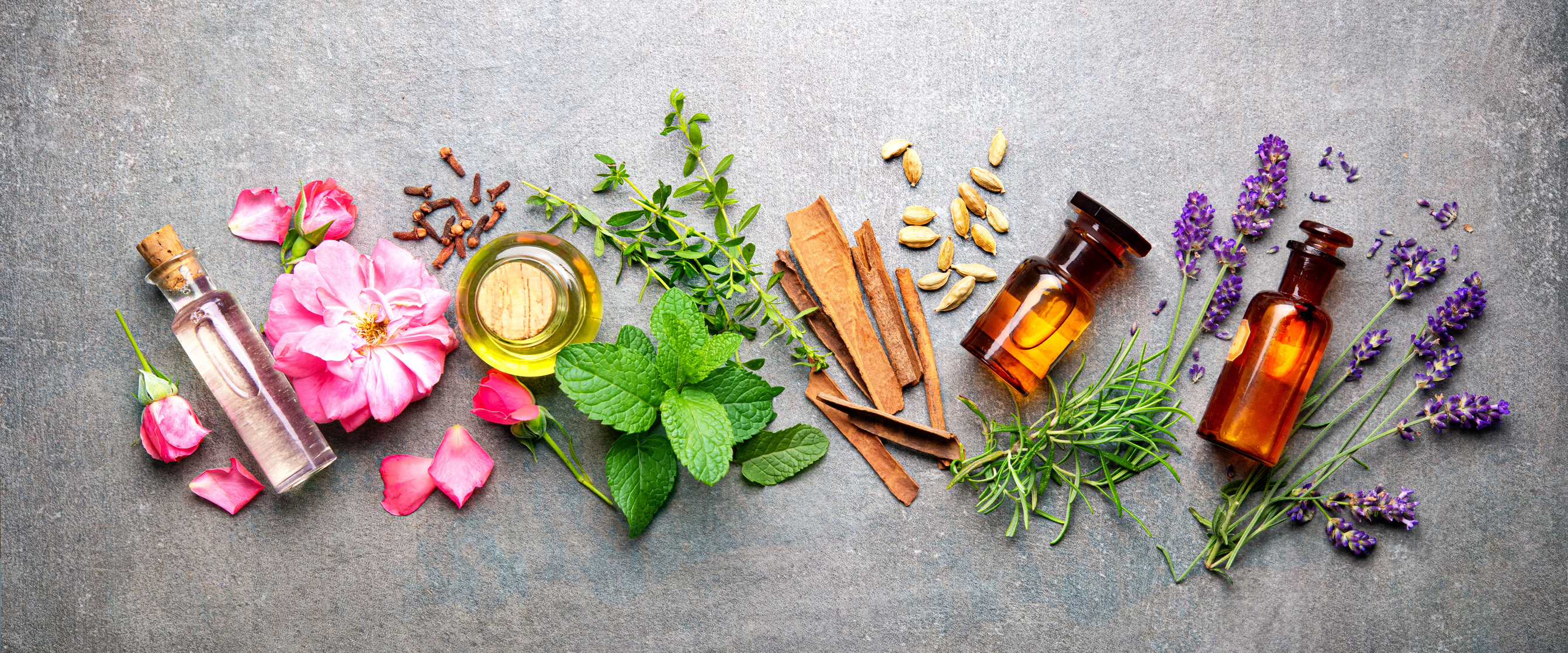
Emerging pre-clinical and clinical research suggest that extracts of the following medicinal plants demonstrate antifungal activity against Candida spp.:
- Allium spp. (Garlic)1,8,11-13
- Alpinia officinarum (Galangal)14
- Anethum graveolens (Dill)8
- Artemisia spp. (Wormwood)1,15,16
- Berberine-containing botanicals8,17-24
- Coptis chinensis11
- Hydrastis canadensis14
- Mahonia aquifolium17
- Brassicaceae (cruciferous) vegetables, such as radish, savoy cabbage, and white cabbage25,26
- Camellia sinensis (Tea)13
- Cannabis sativa subs. Indica cannabidiol (CBD)8
- Cinnamomum spp. (Cinnamon)27-30
- Coriandrum sativum (Coriander)31
- Cuminum cyminum (Cumin)1,32
- Curcuma longa (Turmeric)10,11,27,33-35
- Cymbopogon spp. (Lemongrass)28,36-38
- Eucalyptus globulus (Eucalyptus)14
- Foeniculum vulgare (Fennel)8
- Lavandula spp. (Lavender)1,32,39
- Melaleuca spp.30,36,40-42
- Mentha spp. (Mint)39,40
- Nigella sativa (Black seed)30,43
- Ocimum basilicum (Basil)44
- Origanum vulgare (Oregano)30,40,45-48
- Pelargonium graveolens (Rose Geranium)38
- Punica granatum (Pomegranate)3,13,14,34,49
- Rosa spp. (Rose)34,47
- Rosmarinus officinalis (Rosemary)30,34,50,51
- Scutellaria baicalensis (Skullcap)11
- Syzygium aromaticum (Clove)3,29,30,48,52
- Thymus vulgaris (Thyme)8,27,30,39
- Zingiber officinale (Ginger)13
Important Safety Considerations
It is important to note that the effective plant parts and extraction methods vary considerably across published studies. In many cases, antifungal activity has been demonstrated using concentrated extracts or essential oils rather than whole herbs.
Most commercially available essential oils are not intended for internal use. In addition, essential oils should be appropriately diluted in a carrier oil before application to the skin or mucosal tissues. For therapeutic use, essential oils should only be recommended by a qualified healthcare professional with training in botanical medicine, such as a licensed naturopathic physician, and used according to established safety guidelines.
When appropriately selected and supervised, botanical interventions may contribute meaningfully to the management of candidiasis. However, natural therapies are not free from adverse effects, and some preparations, particularly concentrated essential oils, may cause irritation, allergic reactions, toxicity, or interactions with medications. Despite these considerations, the scientific literature continues to support the antifungal potential of several botanical compounds for candidiasis management.9,53
Continued research into botanical medicine may play an important role in addressing the growing problem of pharmaceutical antifungal resistance while expanding the range of evidence-based therapeutic options available to clinicians and patients.9,53
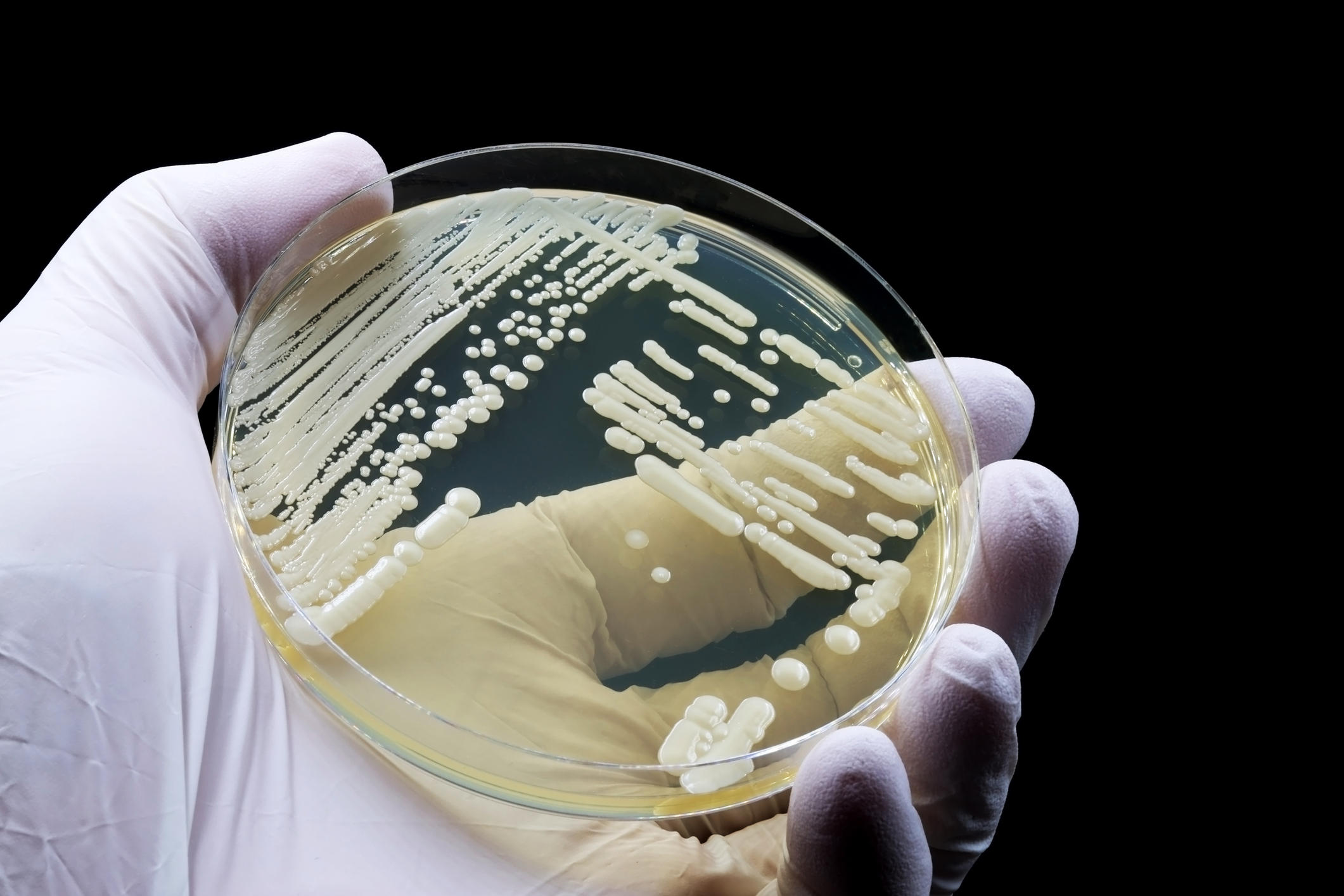
Diagnose Yeast Overgrowth via Culture with a Yeast Panel
Research suggests that environmental factors, including increased humidity, longer summer seasons, and geographic location, may influence the frequency of fungal infections. As a result, candidiasis and other fungal infections may be more commonly diagnosed during the late summer and early autumn months.54
Test your patients for candidiasis today with a Yeast Panel from DiagnosTechs.
The DiagnosTechs Yeast Panel conveniently combines:
- Stool culture for yeast (CS1)
- Mucosal swab culture for yeast, specify source (CS3)
Now Available – Add a Mucosal Swab Culture for Yeast to a Flexi-Matrix
Select the Yeast Panel or CS3 on the online order form in your Provider Portal to add a mucosal swab to a Flexi-Matrix test kit.
If you have any questions about the addition of a mucosal swab to a Flexi-Matrix test kit, or need assistance with placing an order, please call 1-800-878-3787.
For assistance with test selection, treatment options, test result interpretation, and more, kindly schedule a Medical Support Consultation in your Provider Portal at your earliest convenience.
To place a test order, click here. DiagnosTechs will drop ship test kits directly to your patients and you may select this option at the top of the order form.
References:
- Katiraee F, Ahmadi Afshar S, Rahimi Pirmahalleh SF, Shokri H. In vitro antifungal activity of essential oils extracted from plants against fluconazole-susceptible and -resistant Candida albicans. Curr Med Mycol. 2017;3(2):1-6. doi:10.18869/acadpub.cmm.3.2.1
- Schille TB, Sprague JL, Naglik JR, et al. Commensalism and pathogenesis of Candida albicans at the mucosal interface. Nat Rev Microbiol. 2025;23(8):525-540. doi:10.1038/s41579-025-01174-x
- Cuenca-León K, Pacheco-Quito EM, Granda-Granda Y, et al. Phytotherapy: A Solution to Decrease Antifungal Resistance in the Dental Field. Biomolecules. 2022;12(6):789. doi:10.3390/biom12060789
- Akinosoglou K, Livieratos A, Asimos K, et al. Fluconazole-Resistant Vulvovaginal Candidosis: An Update on Current Management. Pharmaceutics. 2024;16(12):1555. doi:10.3390/pharmaceutics16121555
- Zubair M, Albalawi Y. Antifungal Drug Efficacy Profiles Against Vaginal Candida albicans: A Multi-Drug Comparative Analysis. J Clin Med. 2025;14(20):7266. doi:10.3390/jcm14207266
- Srivastava D, Yadav A, Naqvi S, et al. Efficacy of Flavonoids in Combating Fluconazole Resistant Oral Candidiasis. Curr Pharm Des. 2022;28(21):1703-1713. doi:10.2174/1381612828666220324140257
- Maziere M, Andrade JC, Rompante P, Rodrigues CF. Evaluation of the antifungal effect of plant extracts on oral Candida – a critical methodological analysis of the last decade. Crit Rev Microbiol. 2025;51(1):153-163. doi:10.1080/1040841X.2024.2326995
- Picheta N, Piekarz J, Burdan O, et al. Phytotherapy of Vulvovaginal Candidiasis: A Narrative Review. Int J Mol Sci. 2024;25(7):3796. doi:10.3390/ijms25073796
- Felix TC, de Brito Röder DVD, Dos Santos Pedroso R. Alternative and complementary therapies for vulvovaginal candidiasis. Folia Microbiol (Praha). 2019;64(2):133-141. doi:10.1007/s12223-018-0652-x
- Hu C, Wang S, Gao Z, et al. Curcumin in oral health: mechanisms, clinical evidence, and delivery strategies. Front Pharmacol. 2026;16:1661443. doi:10.3389/fphar.2025.1661443
- Zhong H, Han L, Lu RY, Wang Y. Antifungal and Immunomodulatory Ingredients from Traditional Chinese Medicine. Antibiotics (Basel). 2022;12(1):48. doi:10.3390/antibiotics12010048
- Jafari F, Khalilzadeh S, Nejatbakhsh F, Naderie M. Therapeutic effects of garlic (Allium sativum) on female reproductive system: A systematic review. Heliyon. 2023;9(12):e22555. doi:10.1016/j.heliyon.2023.e22555
- Khozeimeh F, Ghadiri N, Zolfaghari B, Tahani B. Comparison of herbal products with antifungal drugs in cure of oral candidiasis: A systematic review. Dent Res J (Isfahan). 2025;22:23. doi:10.4103/drj.drj_415_24
- Cho E, Acosta K, Henkin J, et al. Synergistic antifungal effects of botanical extracts against Candida albicans. PLoS One. 2026;21(1):e0340665. doi:10.1371/journal.pone.0340665
- Obistioiu D, Cristina RT, Schmerold I, et al. Chemical characterization by GC-MS and in vitro activity against Candida albicans of volatile fractions prepared from Artemisia dracunculus, Artemisia abrotanum, Artemisia absinthium and Artemisia vulgaris. Chem Cent J. 2014;8(1):6. doi:10.1186/1752-153X-8-6
- Kadyrbay A, Ibragimova LN, Iwan M, et al. Essential Oil from the Aerial Parts of Artemisia serotina Bunge (Winter Wormwood) Growing in Kazakhstan-Phytochemical Profile and Bioactivity. Molecules. 2025;30(14):2956. doi:10.3390/molecules30142956
- Xie Y, Liu X, Zhou P. In vitro Antifungal Effects of Berberine Against Candida In Planktonic and Biofilm Conditions. Drug Des Devel Ther. 2020;14:87-101. doi:10.2147/DDDT.S230857
- Ding J, Yan Z, Peng L, et al. Inhibitory effects of berberine on fungal growth, biofilm formation, virulence, and drug resistance as an antifungal drug and adjuvant with prospects for future applications. World J Microbiol Biotechnol. 2024;41(1):5. doi:10.1007/s11274-024-04223-4
- Zhang CW, Huang DY, Rajoka MSR, et al. The Antifungal Effects of Berberine and Its Proposed Mechanism of Action Through CYP51 Inhibition, as Predicted by Molecular Docking and Binding Analysis. Molecules. 2024;29(21):5079. doi:10.3390/molecules29215079
- Wu S, Jia W, Lu Y, et al. Mechanism and bioinformatics analysis of the effect of berberine-enhanced fluconazole against drug-resistant Candida albicans. BMC Microbiol. 2024;24(1):196. doi:10.1186/s12866-024-03334-0
- Gupta P, Gupta H, Tripathi S, Poluri KM. Biochemical and metabolomic insights into antifungal mechanism of berberine against Candida glabrata. Appl Microbiol Biotechnol. 2023;107(19):6085-6102. doi:10.1007/s00253-023-12714-x
- Huang X, Zheng M, Yi Y, et al. Inhibition of berberine hydrochloride on Candida albicans biofilm formation. Biotechnol Lett. 2020;42(11):2263-2269. doi:10.1007/s10529-020-02938-6
- Zhao T, Zhang K, Shi G, et al. Berberine Inhibits the Adhesion of Candida albicans to Vaginal Epithelial Cells. Front Pharmacol. 2022;13:814883. doi:10.3389/fphar.2022.814883
- Lam P, Kok SH, Lee KK, et al. Sensitization of Candida albicans to terbinafine by berberine and berberrubine. Biomed Rep. 2016;4(4):449-452. doi:10.3892/br.2016.608
- Arrais A, Testori F, Calligari R, et al. Extracts from Cabbage Leaves: Preliminary Results towards a “Universal” Highly-Performant Antibacterial and Antifungal Natural Mixture. Biology (Basel). 2022;11(7):1080. doi:10.3390/biology11071080
- S Al-Janabi AAH. Antifungal activity of essential oils against itraconazole-resistant pathogenic Candida isolated from vulvovaginal candidiasis. Curr Med Mycol. 2022;8(4):22-26. doi:10.32598/CMM.2023.1359
- Tuan DA, Masak J. Natural-Compound Adjuvants Dismantle Candida Biofilms: Mechanisms, Design Rules, and Biofilm-Aware Pharmacology. Curr Microbiol. 2026;83(2):131. doi:10.1007/s00284-025-04713-0
- Choonharuangdej S, Srithavaj T, Thummawanit S. Fungicidal and inhibitory efficacy of cinnamon and lemongrass essential oils on Candida albicans biofilm established on acrylic resin: An in vitro study. J Prosthet Dent. 2021;125(4):707.e1-707.e6. doi:10.1016/j.prosdent.2020.12.017
- Saracino IM, Foschi C, Pavoni M, et al. Antifungal Activity of Natural Compounds vs. Candida: A Mixture of Cinnamaldehyde and Eugenol Shows Promising In Vitro Results. Antibiotics (Basel). 2022;11(1):73. doi:10.3390/antibiotics11010073
- Marquez L, Quave CL. Prevalence and Therapeutic Challenges of Fungal Drug Resistance: Role for Plants in Drug Discovery. Antibiotics (Basel). 2020;9(4):150. doi:10.3390/antibiotics9040150
- Veras MNB, de Castro RD, Araújo IGA. Effects of Coriandrum sativum (coriander) essential oil on Candida spp. in oral infection: Scoping review. Arch Oral Biol. 2026;188:106632. doi:10.1016/j.archoralbio.2026.106632
- Minooeianhaghighi MH, Sepehrian L, Shokri H. Antifungal effects of Lavandula binaludensis and Cuminum cyminum essential oils against Candida albicans strains isolated from patients with recurrent vulvovaginal candidiasis. J Mycol Med. 2017;27(1):65-71. doi:10.1016/j.mycmed.2016.09.002
- Nurdiana, Naorungroj S, Sappayatosok K, et al. Efficacy of botanical antifungal and conventional antifungal in the treatment of oral candidiasis: a systematic review and meta-analysis. Front Pharmacol. 2025;16:1635482. doi:10.3389/fphar.2025.1635482
- Meccatti VM, Santos LF, de Carvalho LS, et al. Antifungal Action of Herbal Plants’ Glycolic Extracts against Candida Species. Molecules. 2023;28(6):2857. doi:10.3390/molecules28062857
- Kubizna M, Dawiec G, Wiench R. Efficacy of Curcumin-Mediated Antimicrobial Photodynamic Therapy on Candida-A Systematic Review. Int J Mol Sci. 2024;25(15):8136. doi:10.3390/ijms25158136
- Ezzariga N, Moukal A, Asdadi A, et al. Evaluation of the Antimicrobial Activity of 20 Essential Oils and Their Combinations on Bacterial and Fungal Strains. Cureus. 2025;17(2):e79499. doi:10.7759/cureus.79499
- Cuenca-León K, Lima-Illescas M, Pacheco-Quito EM, et al. Effectiveness of Lemon Verbena (Cymbopogon citratus) in Oral Candidiasis: A Systematic Review. Clin Cosmet Investig Dent. 2024;16:295-305. doi:10.2147/CCIDE.S478181
- de Lima PMN, Pereira TC, de Carvalho LS, et al. Antimicrobial and synergistic effects of lemongrass and geranium essential oils against Streptococcus mutans, Staphylococcus aureus, and Candida spp. World J Crit Care Med. 2024;13(3):92531. doi:10.5492/wjccm.v13.i3.92531
- Karpiński TM. Essential Oils of Lamiaceae Family Plants as Antifungals. Biomolecules. 2020;10(1):103. doi:10.3390/biom10010103
- Bona E, Cantamessa S, Pavan M, et al. Sensitivity of Candida albicans to essential oils: are they an alternative to antifungal agents?. J Appl Microbiol. 2016;121(6):1530-1545. doi:10.1111/jam.13282
- Wróblewska M, Szymańska E, Winnicka K. The Influence of Tea Tree Oil on Antifungal Activity and Pharmaceutical Characteristics of Pluronic®F-127 Gel Formulations with Ketoconazole. Int J Mol Sci. 2021;22(21):11326. doi:10.3390/ijms222111326
- Silva RAD, Antonieti FMPM, Röder DVDB, Pedroso RDS. Essential Oils of Melaleuca, Citrus, Cupressus, and Litsea for the Management of Infections Caused by Candida Species: A Systematic Review. Pharmaceutics. 2021;13(10):1700. doi:10.3390/pharmaceutics13101700
- Khan MA, Ashfaq MK, Zuberi HS, et al. The in vivo antifungal activity of the aqueous extract from Nigella sativa seeds. Phytother Res. 2003;17(2):183-186. doi:10.1002/ptr.1146
- Man A, Mare AD, Mares M, et al. Antifungal and anti-virulence activity of six essential oils against important Candida species – a preliminary study. Future Microbiol. 2022;17:737-753. doi:10.2217/fmb-2021-0296
- Cid-Chevecich C, Müller-Sepúlveda A, Jara JA, et al. Origanum vulgare essential oil inhibits virulence patterns of Candida spp. and potentiates the effects of fluconazole and nystatin in vitro. BMC Complement Med Ther. 2022;22(1):39. doi:10.1186/s12906-022-03518-z
- Bhat V, Sharma SM, Shetty V, et al. Characterization of Herbal Antifungal Agent, Origanum vulgare against Oral Candida Isolated from Patients with Candida-Associated Denture Stomatitis: An In vitro Study. Contemp Clin Dent. 2018;9(Suppl 1):S3-S10. doi:10.4103/ccd.ccd_537_17
- Lee Y, Park E, Jang B, et al. Antifungal Activity of Bulgarian Rose Damascena Oil against Vaginitis-Causing Opportunistic Fungi. Evid Based Complement Alternat Med. 2023;2023:5054865. doi:10.1155/2023/5054865
- Jayasankar P, Awatiger MM, Mulla R, et al. Formulation and Development of a Herbal Antifungal Gel Containing Origanum vulgare and Syzygium aromaticum Essential Oils Against Oral Candida albicans. Cureus. 2024;16(2):e54348. doi:10.7759/cureus.54348
- Huerta-Reyes M, Gaitán-Cepeda LA, Sánchez-Vargas LO. Punica granatum as Anticandidal and Anti-HIV Agent: An HIV Oral Cavity Potential Drug. Plants (Basel). 2022;11(19):2622. doi:10.3390/plants11192622
- Cintra TMF, Menezes RT, de Carvalho LS, et al. Rosemary Extract: Phytochemical Composition and Potential for Eliminating Polymicrobial Biofilm of Candida albicans and Multidrug-Resistant Bacteria. BioTech (Basel). 2025;14(3):61. doi:10.3390/biotech14030061
- Ribeiro S, Moraes MC, Scoaris DO, et al. Rosemary Essential Oil Microemulsion for Fungal Keratitis Treatment. Chem Biodivers. 2025;22(12):e02124. doi:10.1002/cbdv.202502124
- Gao Y, Wang Z, Wang X, et al. Impact of Clove Oil on Biofilm Formation in Candida albicans and Its Effects on Mice with Candida Vaginitis. Mycobiology. 2025;53(5):661-675. doi:10.1080/12298093.2025.2537477
- Dantas TDS, Machado JCB, Ferreira MRA, Soares LAL. Bioactive Plant Compounds as Alternatives Against Antifungal Resistance in the Candida Strains. Pharmaceutics. 2025;17(6):687. doi:10.3390/pharmaceutics17060687
- Rychlik K, Sternicka-Rohde J, Nowicki RJ, et al. Superficial Fungal Infections in Children-What Do We Know?. J Clin Med. 2025;14(20):7380. doi:10.3390/jcm14207380