


Unintentional Exposure to Bioidentical Hormones
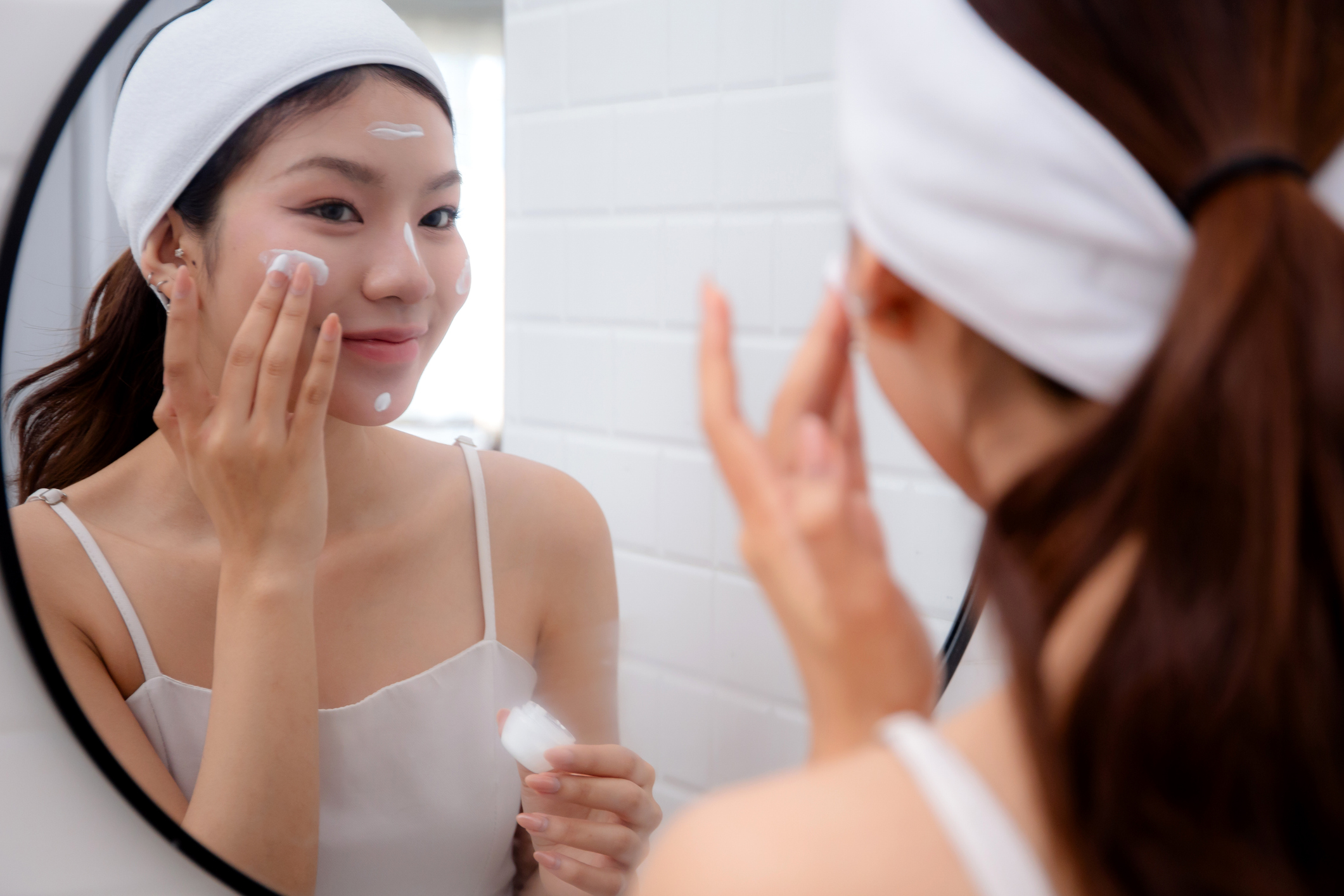
Unexpected hormone exposure may originate from products that you use every day. In fact, research by Olson et al. discovered that personal care products, including topical moisturizers, may contain undisclosed bioidentical hormones. Their findings, published in the Journal of Clinical Oncology article, “Breast Cancer Patients Unknowingly Dosing Themselves with Estrogen by Using Topical Moisturizers,” highlight the importance of recognizing hidden sources of hormone exposure that may affect health and clinical outcomes.
When bioidentical hormones are applied to the skin, pharmacokinetic studies demonstrate that saliva hormone concentrations can rise substantially, often reaching supraphysiologic levels for several hours following application, while serum concentrations may remain relatively unchanged. This distinction makes saliva hormone testing uniquely suited to detecting recent transdermal hormone exposure that may not be evident through blood testing.
For healthcare providers, awareness of potential bioidentical hormone exposure is essential for interpreting saliva hormone test results accurately and can be especially valuable when evaluating unexplained symptoms, managing hormone replacement therapy, or caring for patients with a personal or family history of hormone-sensitive cancers.
Hormone Exposure Resources
Elevated saliva hormone levels can be both alarming and frustrating for patients and healthcare providers. When test results are markedly elevated and do not align with the clinical presentation, it is natural to question their validity. However, these unexpected findings are often one of the key benefits of saliva hormone testing.
Saliva testing is uniquely able to reveal previously unrecognized exposure to bioidentical hormones. When a laboratory report shows supraphysiologic hormone levels, the next step is not to dismiss the results, but to investigate potential sources of exposure.
Potential causes of highly elevated (supraphysiologic) saliva hormone levels may include:
-
Undisclosed hormone use
-
Cross-contamination from compounded hormone preparations
-
Transfer from a partner’s hormone therapy via skin-to-skin contact
-
Personal care products or cosmetics containing bioidentical hormones
-
Inadvertent environmental or occupational exposure
Recognizing these sources can provide valuable clinical insight and help guide appropriate follow-up testing, patient education, and treatment decisions.
- Investigating Bioidentical Hormone Exposure
- Saliva Hormone Testing & Unintentional Exposure to Bioidentical Hormones
- The Benefits of Saliva Hormone Testing
- Hidden Hormones in Personal Care Products
- Hormones in Cosmetics and Personal Care Products
- Hormones in Cosmetics – Inadvertent Transdermal Exposure
- Interactions with Testing – FAQ for Providers