

 How Common is Amebiasis in the United States?
Research suggests that the overall prevalence of amebiasis, an infection with the parasite Entamoeba histolytica, is approximately 4% in the United States (US).1
Most cases in the US occur in those who travel to endemic areas, such as South Asia, the Middle East, and South America, and are at higher risk for infection. Experts estimate that 14 out of every 1,000 returning travelers with diarrhea have acute amebiasis.1
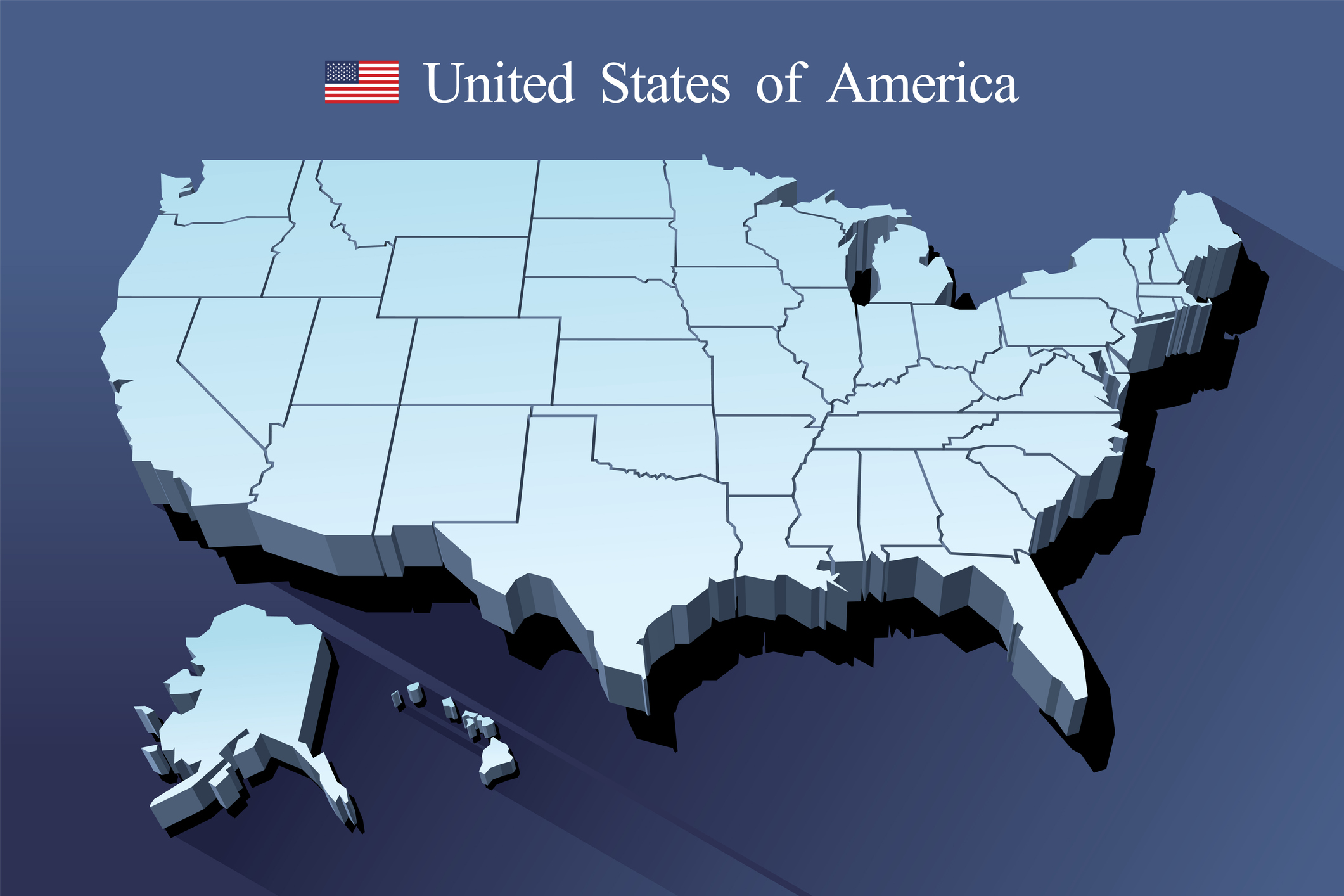
Amebiasis is most frequently observed in the following populations in the US:
- US-born persons who have traveled to endemic or tropical regions with inadequate sanitation
- Immigrants from unsanitary tropical or endemic countries
- Institutionalized residents of facilities with sub-optimal sanitation practices
- Individuals who engage in anal intercourse1
In the US, an increased prevalence of amebiasis has been documented in male homosexuals, persons living in communal settings, and institutionalized individuals (especially those with intellectual disabilities). Amebiasis can progress to amebic liver abscess (ALA) in the US. ALA has been reported after a median duration of 3 months of amebiasis, but may occur years later without adequate testing and treatment.1
Amebiasis – A Serious & Potentially Fatal Parasitic Infection
Annually, an average of 329 cases of amebiasis are reported in California, while nearly 200 are reported in Texas. Amebiasis is one of the most common neglected tropical infections affecting individuals living in developed countries with sanitary conditions. Awareness of amebiasis in the United States is important, as a lack of familiarity with the infection and inadequate testing have led to a failure to recognize amebic colitis, resulting in fulminant and even fatal outcomes.2
According to the US national death certificate data from 1990 to 2007, 134 deaths were attributed to amebiasis. Fortunately, there is a trend towards declining numbers of deaths, with a current rate of 5 deaths annually. US-born persons account for most amebiasis deaths, likely due to inadequate or delayed testing, and more than 40% of the reported deaths occurred in residents of California and Texas.1
 References:
- Vinod K Dhawan M. Background, Pathophysiology, Etiology. December 12, 2024. Accessed May 29, 2026. https://emedicine.medscape.com/article/212029-overview.
- Shirley DT, Watanabe K, Moonah S. Significance of amebiasis: 10 reasons why neglecting amebiasis might come back to bite us in the gut. PLoS Negl Trop Dis. 2019;13(11):e0007744. doi:10.1371/journal.pntd.0007744