

 Estrobolome Balance: The Connection Between the Gut Microbiome and Estrogen Metabolism
Collectively, the intestinal microbiota that have an impact on systemic estrogen levels are known as the estrobolome. The estrobolome is a natural part of the larger gut microbiome. Bacteria in the gut microbiome, including commensals, opportunistic pathogens, and pathogens, are involved in estrogen metabolism because they can express estrogen-reactivating proteins, including the β-glucuronidase enzyme.1,2

How Does the Gut Microbiome Affect Estrogen Levels?
In those with healthy estrogen metabolism, estrogen is first conjugated (inactivated or detoxified) by the liver. The conjugated estrogen is then stored in the bile in the gallbladder for release into the small intestine. Once bile moves into the small intestine after dietary fat consumption, the bile, which contains conjugated hormones and other detoxified substances, can be excreted from the body in feces.6
However, due to dysbiosis of the gut microbiome, insufficient dietary fiber intake, and other factors, the bile and its contents could, instead, be reabsorbed in a process called enterohepatic recycling or recirculation.4,6 Furthermore, the inactive, detoxified estrogens can be converted to the active form via deconjugation by β-glucuronidase, potentially leading to increased levels of activated estrogen in the blood.1,6
Active estrogens bind to estrogen receptor alpha (ERα) and estrogen receptor beta (ERβ) to regulate numerous intracellular pathways. They also influence the transcriptional activity of several genes involved in estrogen signaling. The signaling cascades induced by the deconjugated estrogens from the estrobolome influence the health and homeostasis of reproductive organs and other hormone-sensitive tissues systemically.1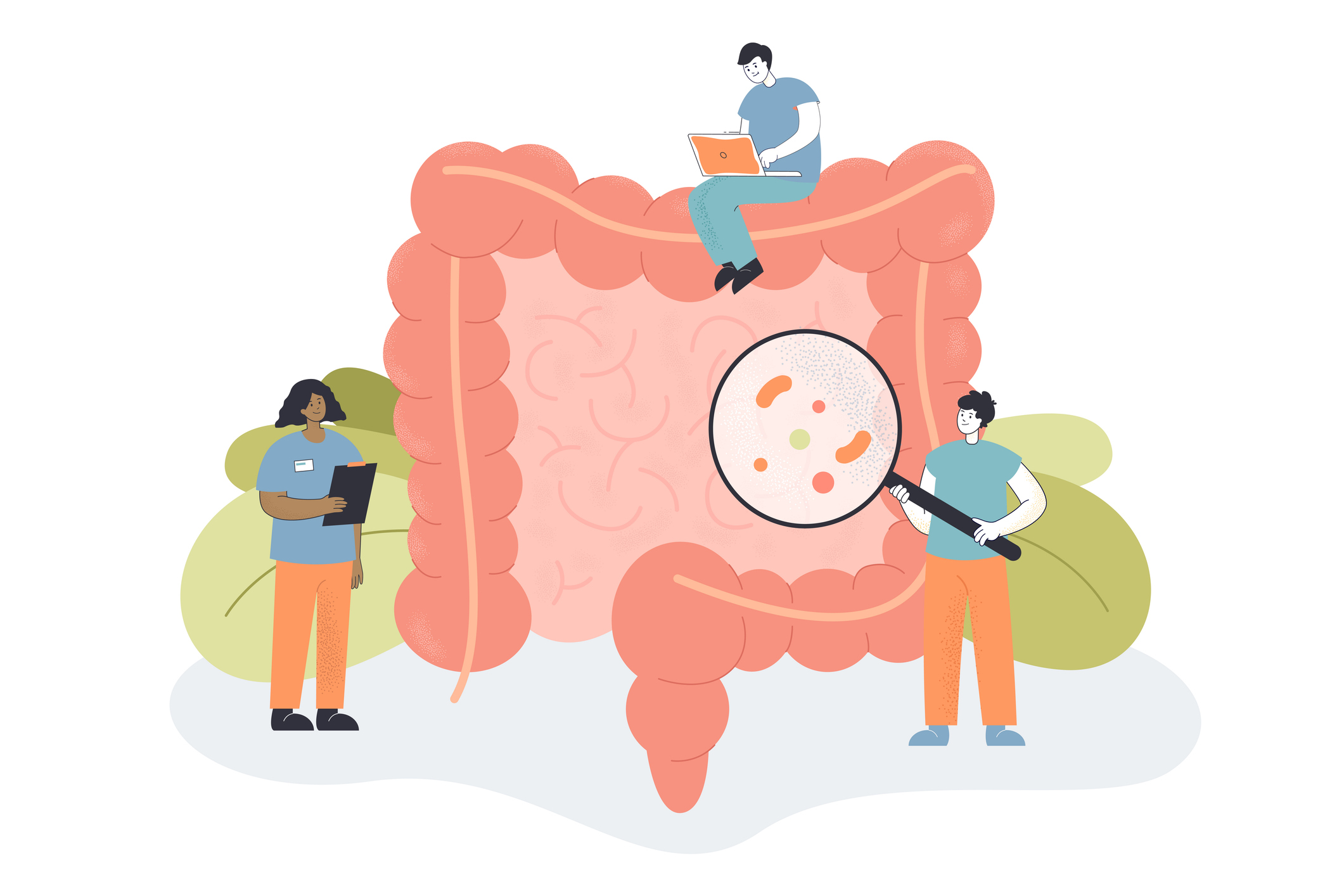
Estrobolome Bacteria with Beta-Glucuronidase Activity
Research suggests that the following organisms in the estrobolome express β-glucuronidase:
- Acinetobacter spp.
- Bacillus spp.
- Bifidobacterium spp.
- Clostridioides difficile
- Clostridium spp., including Clostridium perfringens
- Corynebacterium spp.
- Enterobacteriaceae
- Citrobacter spp.
- Escherichia coli
- Klebsiella spp., including Klebsiella aerogenes
- Salmonella spp.
- Shigella spp.
- Yersinia spp.
- Enterococcus spp.
- Lactobacillus spp.
- Staphylococcus spp.
- Streptococcus spp.4,7-9
β-glucuronidase activity is not present in every strain of the organisms listed above. For example, only two of fourteen strains of Klebsiella spp. demonstrate β-glucuronidase activity, according to the data from a study by Leung, et al. Furthermore, the enzymatic activity can vary remarkably. Research shows that C. perfringens produces β-glucuronidase activity that is 34-fold greater than that observed in E. coli, Staphylococcus, Corynebacterium, Bacillus, Enterococcus, Acinetobacter, Streptococcus, and Klebsiella.9
Emerging research suggests that some bacteria in the gut microbiome may also express an enzyme called steroid sulfatase (STS), which converts inactive sulfated estrogens, including E1 sulfate (E1S), to active hormones. E1S serves as an estrogen reservoir and is readily converted to E1 (estrone) and E2 (estradiol).10 Evidence suggests that some strains of Klebsiella spp. express STS, but much more research is needed to determine additional STS-producing organisms that may inhabit the gut microbiome and impact estrogen metabolism.11

Clinical Effects of the Estrobolome on Women’s Health
A balanced estrobolome appears to be essential for the regulation of healthy reproduction. Animal studies demonstrate that reproductive capacity is impaired in germ-free mice but normalizes following bacterial recolonization of the gut microbiome.7 Therefore, a balanced, healthy estrobolome is likely required for optimal women’s health. Moreover, general gut dysbiosis, characterized by altered microbial composition and reduced microbial diversity, has been associated with numerous health conditions, including metabolic syndrome, PCOS/PMOS, obesity, diabetes, inflammatory bowel disease (IBD), and cancer.6,12-15 More research is needed to determine if the effects of the estrobolome on estrogen metabolism contribute to the aforementioned diagnoses.
Ideally, future research will expand to investigate the local and systemic effects of both the gut and vaginal microbiomes on estrogen metabolism to provide a more comprehensive picture of the effects of dysbiosis on disease development and progression.6,16,17 From a clinical perspective, further research could illuminate novel insights for the development of new preventive and therapeutic strategies to reverse dysbiosis and disease via microbiome replacement approaches, including the use of targeted probiotics, vaginal suppositories, and fecal microbiota transplants.6,18
Effective treatment plans for PCOS/PMOS, endometriosis, and other hormone-related conditions that restore the gut microbiome to improve estrobolome balance could pave the way for safer and more personalized therapeutic strategies in the future.5,15,19
For a comprehensive assessment of gut health, including the gut microbiome, consider ordering an Expanded GI Health Panel with GP3x and Calprotectin. An overview of our GI Health Panels is available HERE.
To place a test order, click here. As a reminder, DiagnosTechs will drop ship test kits directly to your patients. You may select this option at the top of the order form.
Please visit our Provider Tools page for further information about GI health testing.

References:
- Scarfò G, Daniele S, Chelucci E, et al. Endometrial Dysbiosis: A Possible Association with Estrobolome Alteration. Biomolecules. 2024;14(10):1325. doi:10.3390/biom14101325
- Muccee F, Ghazanfar S, Ajmal W, Al-Zahrani M. In-Silico Characterization of Estrogen Reactivating β-Glucuronidase Enzyme in GIT Associated Microbiota of Normal Human and Breast Cancer Patients. Genes (Basel). 2022;13(9):1545. doi:10.3390/genes13091545
- Cuffaro F, Russo E, Amedei A. Endometriosis, Pain, and Related Psychological Disorders: Unveiling the Interplay among the Microbiome, Inflammation, and Oxidative Stress as a Common Thread. Int J Mol Sci. 2024;25(12):6473. doi:10.3390/ijms25126473
- Hu S, Ding Q, Zhang W, et al. Gut microbial beta-glucuronidase: a vital regulator in female estrogen metabolism. Gut Microbes. 2023;15(1):2236749. doi:10.1080/19490976.2023.2236749
- Patel J, Chaudhary H, Rajput K, et al. Assessment of gut microbial β-glucuronidase and β-glucosidase activity in women with polycystic ovary syndrome. Sci Rep. 2023;13(1):11967. doi:10.1038/s41598-023-39168-5
- Prakash A, Nourianpour M, Senok A, Atiomo W. Polycystic Ovary Syndrome and Endometrial Cancer: A Scoping Review of the Literature on Gut Microbiota. Cells. 2022;11(19):3038. doi:10.3390/cells11193038
- Alghetaa H, Mohammed A, Singh NP, et al. Estrobolome dysregulation is associated with altered immunometabolism in a mouse model of endometriosis. Front Endocrinol (Lausanne). 2023;14:1261781. doi:10.3389/fendo.2023.1261781
- Little MS, Pellock SJ, Walton WG, et al. Structural basis for the regulation of β-glucuronidase expression by human gut Enterobacteriaceae. Proc Natl Acad Sci U S A. 2018;115(2):E152-E161. doi:10.1073/pnas.1716241115
- Leung JW, Liu YL, Leung PS, et al. Expression of bacterial beta-glucuronidase in human bile: an in vitro study. Gastrointest Endosc. 2001;54(3):346-350. doi:10.1067/mge.2001.117546
- Benagiano G, Pluchino N, Archer DF, Stanczyk FZ. Estrobolome: Is there a missing link?. J Steroid Biochem Mol Biol. 2026;259:106967. doi:10.1016/j.jsbmb.2026.106967
- Yoon HY, Kim HJ, Jang S, Hong JI. Detection of bacterial sulfatase activity through liquid- and solid-phase colony-based assays. AMB Express. 2017;7(1):150. doi:10.1186/s13568-017-0449-3
- Min Q, Geng H, Gao Q, Xu M. The association between gut microbiome and PCOS: evidence from meta-analysis and two-sample mendelian randomization. Front Microbiol. 2023;14:1203902. doi:10.3389/fmicb.2023.1203902
- Sun J, Wang M, Kan Z. Causal relationship between gut microbiota and polycystic ovary syndrome: a literature review and Mendelian randomization study. Front Endocrinol (Lausanne). 2024;15:1280983. doi:10.3389/fendo.2024.1280983
- Wydra J, Szlendak-Sauer K, Zgliczyńska M, et al. Gut Microbiota and Oral Contraceptive Use in Women with Polycystic Ovary Syndrome: A Systematic Review. Nutrients. 2024;16(19):3382. doi:10.3390/nu16193382
- Kukaev E, Kirillova E, Tokareva A, et al. Impact of Gut Microbiota and SCFAs in the Pathogenesis of PCOS and the Effect of Metformin Therapy. Int J Mol Sci. 2024;25(19):10636. doi:10.3390/ijms251910636
- Aragón A, Jurado R, Jara J, et al. Investigating the Metabolism of Estrogens in Ligilactobacillus salivarius Strains Isolated from Human Milk and Vaginal Microbiota. Nutrients. 2024;16(6):861. doi:10.3390/nu16060861
- Yu X, Li X, Yang H. Unraveling intestinal microbiota’s dominance in polycystic ovary syndrome pathogenesis over vaginal microbiota. Front Cell Infect Microbiol. 2024;14:1364097. doi:10.3389/fcimb.2024.1364097
- Sekito T, Hirakawa H, Sadahira T. Unraveling the vaginal microbiota-based etiology of recurrent cystitis: the potential role of Lactobacillus vaginal suppositories. Ther Adv Urol. 2026;18:17562872261448600. doi:10.1177/17562872261448600
- Sobstyl A, Chałupnik A, Mertowska P, Grywalska E. How Do Microorganisms Influence the Development of Endometriosis? Participation of Genital, Intestinal and Oral Microbiota in Metabolic Regulation and Immunopathogenesis of Endometriosis. Int J Mol Sci. 2023;24(13):10920. doi:10.3390/ijms241310920