

 Ergogenic Ashwagandha – Performance Benefits for Men and Women
Take athletic performance to the next level naturally with Ashwagandha (Withania somnifera). An ergogenic aid is a substance that boosts performance capacity and efficiency, the ability to recover from exercise, and the quality of training.1 The gold-standard evidence continues to accumulate in Ashwagandha’s favor to confirm that it is an effective adaptogenic herb and ergogenic aid.
Adaptogenic herbs improve the ability to adapt to change and cope with stress – physically, emotionally, and mentally.2 The current definition of an adaptogen is “a class of metabolic regulators that enhances the body’s ability to adapt to environmental factors and avoid the damage they could imply.” Therefore, by definition, adaptogenic herbs reduce the negative impacts of stress, including exercise – a physical stress.3
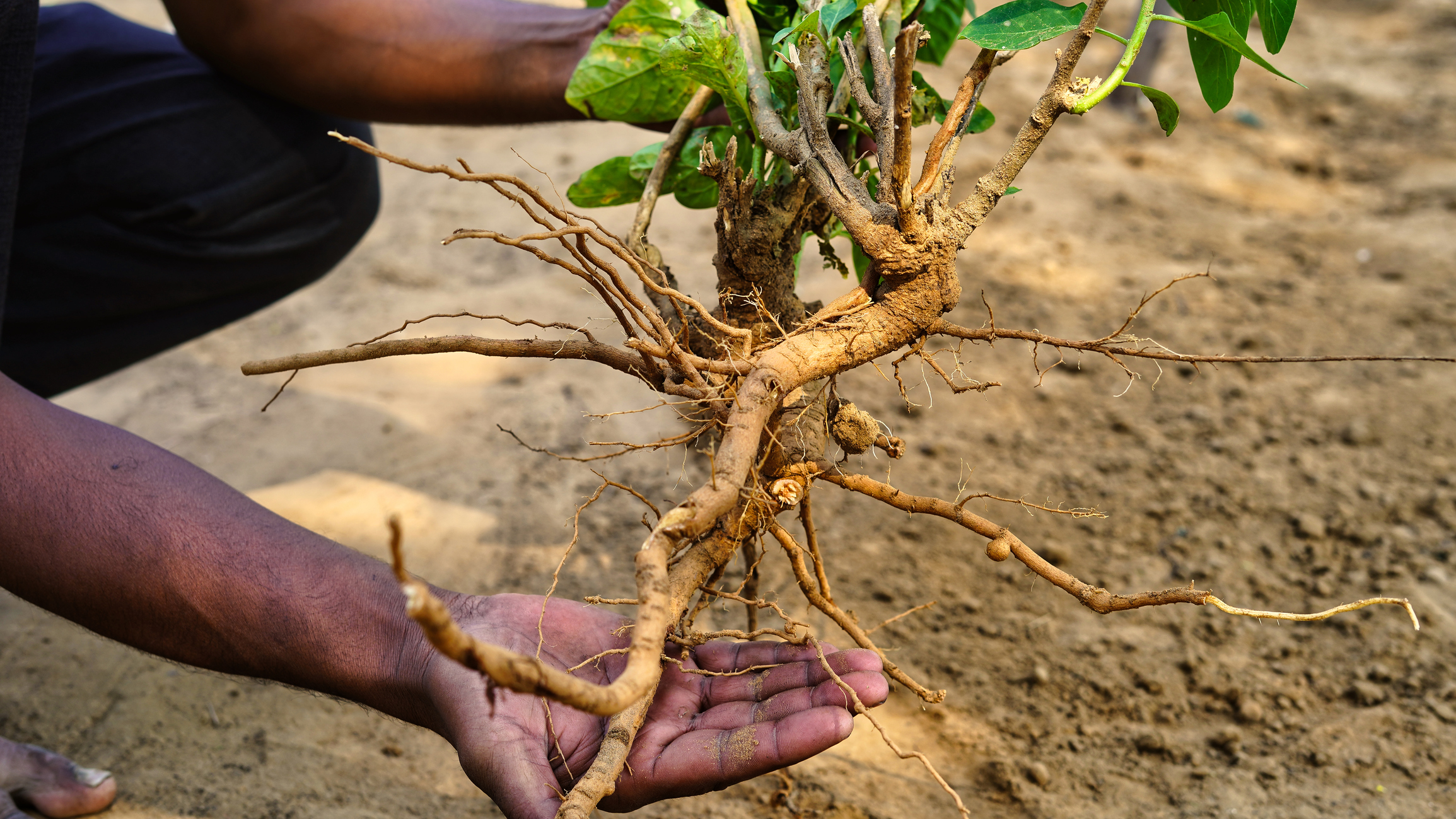 What is Ashwagandha (Withania somnifera)?
Ashwagandha is an adaptogenic herb and ergogenic aid that has been prescribed in traditional systems of medicine for thousands of years. The part of the plant that is most commonly prescribed and beneficial is the root.1
Emerging evidence suggests that Ashwagandha offers cardioprotective, antineoplastic, antioxidant, antibacterial, antifungal, anti-inflammatory, hepatoprotective, anxiolytic, and hypoglycemic benefits. The results of clinical trials suggest that Ashwagandha offers supportive benefits for infertility, obsessive-compulsive disorder, depression, bone and muscle strengthening, high cholesterol levels, diabetes, and more.4,5
 Effects of Ashwagandha on Physical Performance
A comprehensive systematic review and meta-analysis published in 2021 included thirteen placebo-controlled clinical trials conducted from 2010 to 2020. The research data sets from 615 healthy adults were analyzed and confirmed that Ashwagandha supplementation is more effective than a placebo for improving physical performance.6
According to the clinical studies analyzed, 120 mg to 1250 mg of Ashwagandha root extract daily enhances physical performance, and the higher dose could be more effective for trained individuals and athletes. The authors note that 300 – 500 mg twice daily could be a beneficial supplementation protocol for trained women and men undergoing strenuous resistance or endurance training. Lower doses of less than 300 mg daily could be sufficient to improve the performance of non-physically active individuals.6
Overall, the evidence demonstrates that Ashwagandha supplementation is more effective than placebo for improving many facets of physical performance, including strength and power, cardiorespiratory fitness, and fatigue/recovery in healthy women and men.6
 Benefits of an Ashwagandha Supplement for Cardio-Respiratory Fitness
VO2 max, or maximum oxygen consumption, is an objective measurement that assesses aerobic capacity to determine an individual’s overall cardiorespiratory fitness. VO2 max provides insight into both health status and sports performance. In competitive sports, the VO2 max is one of the primary factors that contributes to success in endurance activities. VO2 max is also a useful measure of general health in those who do not participate in competitive sports.7
A low VO2 max is associated with the loss of independent lifestyle in adults and the elderly, and an increased risk of mortality. High VO2 max values, which indicate excellent cardiorespiratory fitness and aerobic capacity, are associated with a reduced risk of cardiovascular diseases. The VO2 max value is affected by many factors, including enzymatic activity, genetic predisposition, training, and muscle fiber type.7
A systematic review and meta-analysis published in 2020 confirmed that Ashwagandha supplementation likely improves the VO2 max in both athletic and non-athletic individuals. The dose and duration of Ashwagandha root extract supplementation varied from 300 to 1000 mg daily and 2 to 12 weeks. The authors suggested that more research is needed for a definitive conclusion since only four clinical trials were available for inclusion in the analysis.7
A double-blind, randomized, and placebo-controlled trial published in May of 2021 included 50 healthy athletic adults. Half of the participants supplemented with 300 mg of Ashwagandha root extract twice daily for eight weeks. The VO2 max of the those who supplemented with Ashwagandha increased significantly compared to the placebo group. Researchers concluded that Ashwagandha supplementation enhances cardiorespiratory fitness in healthy athletic adults.8
In a review published in 2025, Sprengel et al., note that Ashwagandha supplementation has been shown to be significantly better than placebo in improving aerobic performance and aerobic capacity in healthy adults, hockey players, and elite cyclists.9
 The Effects of Ashwagandha on Strength and Power
A clinical study by Wankhede et al. assessed the effects of Ashwagandha root extract supplementation on strength and muscle mass in healthy young men who engaged in resistance training. In this randomized, prospective, double-blind, placebo-controlled clinical study, 57 male subjects took 300 mg of either starch or Ashwagandha root extract twice daily for eight weeks. The participants were 18-50 years old and had little experience in resistance training at the beginning of the study. Compared to the placebo group, those who supplemented with the Ashwagandha root extract experienced much greater, statistically significant, increases in muscle size and strength.10
Here are the impressive results:
- Muscle strength on the bench-press exercise – Placebo: 26.4 kg vs. Ashwagandha: 46.0 kg
- Muscle strength on the leg-extension exercise – Placebo: 9.8 kg vs. Ashwagandha: 14.5 kg
- Muscle size increase in the arms – Placebo: 5.3 cm vs. Ashwagandha: 8.6 cm
- Muscle size increase in the chest – Placebo: 1.4 cm vs. Ashwagandha: 3.3 cm10
A randomized, double-blind, placebo-controlled clinical trial by Ziegenfuss et al., showed that 500 mg of daily Ashwagandha supplementation for 12 weeks led to statistically significant improvements in 7.5 km time trial performance, peak bench press power, average squat power, and perceived recovery scores in recreationally active men.11
Therefore, the available evidence suggests that Ashwagandha supplementation in conjunction with a resistance training program leads to significant increases in muscle mass and strength in men. More research is needed to assess the beneficial effects for women.
 The Benefits of Ashwagandha for Post-Workout Fatigue and Recovery
The results of clinical research show that Ashwagandha promotes physical recovery. One clinical study demonstrated that one 1000 mg dose of Ashwagandha following muscle-damaging resistance exercise induced an increase in the pain threshold, pain tolerance, and peak power of the lower leg muscles, which indicates improved recovery.12
A study published in 2021 assessed the effects of Ashwagandha supplementation on post-workout fatigue and recovery in healthy adults. Fifty healthy athletic adults were randomized into an Ashwagandha group, which received 300 mg of Ashwagandha root extract capsules twice daily for eight weeks, and a placebo group. After eight weeks, the Ashwagandha group displayed a statistically significant decrease in their fatigue score in comparison to the placebo group. A statistically significant outcome was also noted for the Ashwagandha group compared to the placebo group for fitness/injury-related scores.8
Another clinical study demonstrated that long-term Ashwagandha supplementation contributed to more rapid recovery from muscle damage compared to placebo. The researchers measured serum creatine kinase to assess muscle damage and recovery, and the levels were greatly improved with the Ashwagandha supplementation. The faster recovery could be caused by many different physiologic mechanisms, including antioxidant, anti-inflammatory, and analgesic effects, plus a reduction in lactic acid and blood urea nitrogen levels.10 Several potential mechanisms of action are discussed below.
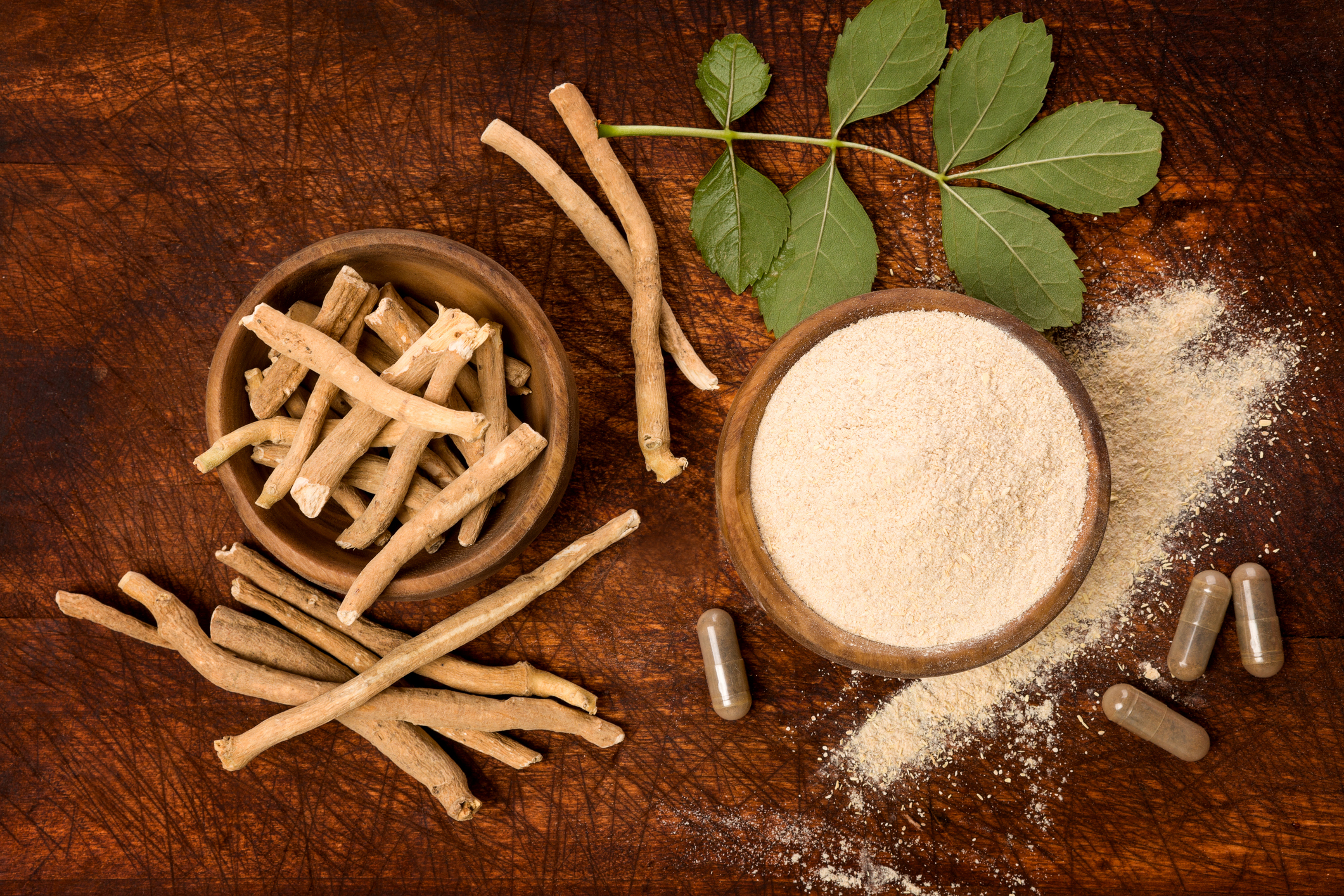 How Does a Withania somnifera Supplement Benefit Health?
How does Ashwagandha (Withania somnifera) boost physical performance? While the health benefits of Ashwagandha supplementation are clear and supported by gold-standard research, the physiologic mechanisms by which it impacts the cellular, tissue, organ, and system levels are still being researched.
More research is needed, but many speculate that Ashwagandha boosts physical performance via powerful and natural anti-inflammatory, hormone-optimizing, antioxidant, mitochondria-boosting, muscle-repairing, and sleep-enhancing properties.3,6,9
 Ashwagandha & Restorative Sleep
Ashwagandha will not cause daytime grogginess, but when taken daily for several weeks, research shows it improves sleep quality. One clinical study showed that 300 mg of Ashwagandha root twice daily for ten weeks supported the induction of sleep and improved sleep quality in those with insomnia, which could boost the process of adaptation to exercise and accelerate recovery after exercise-induced muscle injury.6,12
According to research, Ashwagandha increases brain gamma-aminobutyric acid (GABA) content and the expression of sleep-related GABA receptors, including GABAA and GABAB. Moreover, Ashwagandha’s active compounds appear to directly bind to the GABAA receptor because GABAA receptor antagonists attenuate Ashwagandha’s sleep-promoting effects. Furthermore, Ashwagandha may increase the expression of the 5-hydroxytryptamine receptor, which is also known as the serotonin receptor (5HT1A).9
 Withania somnifera & Inflammation
Secondary metabolites of Ashwagandha could regulate anti-inflammatory and anti-oxidative pathways to improve physical performance at the metabolic level. Cell and animal studies demonstrate that the metabolites induce Nrf2, a transcription factor that regulates the expression of antioxidant enzymes in response to oxidative stress, and several other pathways that play a role in exercise recovery.6
Research conducted on glioblastoma and neuroblastoma cells demonstrates that withanone, one of the biologically active withanolides in a Withania somnifera extract, protects the cells from damage induced by oxidative stress.9
Clinical studies have determined that supplementation decreases inflammatory markers. Research evidence suggests that Ashwagandha may interfere with the NF-κB pathway and mediate its inhibition to reduce inflammation.13,14
 Ashwagandha & Cellular Repair
A cell study published in 2021 investigated the effects of Withania somnifera extracts with withanolides, including withaferin A and withanone, on muscle cells. Results showed that the herbal extracts with the highest withaferin A and withanone levels induced the de-aggregation of aggregated proteins, the activation of hypoxia and autophagy pathways, and the increased differentiation of myoblasts to myotubes. Overall, the results suggest that Ashwagandha-derived withanolides support the management of muscle repair and activity.15
 Ashwagandha & Mitochondrial Function
Animal studies suggest that supplementation with Ashwagandha promotes improved mitochondrial function in both adipose tissue and skeletal muscle.16,17 While caution is recommended when translating animal research to humans, improved mitochondrial function could be a mechanism by which daily supplementation with Ashwagandha boosts muscle strength, muscle recovery, and overall athletic performance.
 Withania somnifera & Hormone Balance
Ashwagandha also optimizes hormone levels. Research shows that Ashwagandha supplementation boosts DHEA and testosterone production in men while optimizing cortisol production in men and women. Clinical studies show that supplementation with Ashwagandha leads to better improvement in VO2 max for men than women. Researchers speculate that the more pronounced increase in testosterone production in men may explain the sex difference in VO2 max improvements. In one clinical study, VO2 max increased by 16.1% in men vs. “only” 9.0% in women. Testosterone is known to significantly boost the production of red blood cells, which deliver oxygen to tissues, thereby increasing aerobic capacity (VO2 max).6
There are likely many more mechanisms by which Ashwagandha may boost physical performance, and research is ongoing.
 Meet Long-Term Health and Fitness Goals with Ashwagandha
Daily supplementation with Withania somnifera could be the naturally supportive boost needed to help your patients meet their health and fitness goals.
Test baseline free hormone levels and assess the clinical response to a treatment protocol with these DiagnosTechs panels:
- Adrenal Stress Index
- Expanded Adrenal Stress Index
- Expanded Post-Menopause Hormone Panel
- Expanded Peri-Menopause Hormone Panel
- Expanded Cycling Female Hormone Panel
- Bone Health Panel
- Expanded Male Hormone Panel
- Custom Flexi-Matrix Test Panel
To place a test order, click here. DiagnosTechs will drop ship test kits directly to your patients. You may select this option at the top of the order form.
Please visit our Provider Tools page for more information about choosing the right test, test result interpretation, and treatment options.
 References:
- Shenoy S, Chaskar U, Sandhu JS, Paadhi MM. Effects of eight-week supplementation of Ashwagandha on cardiorespiratory endurance in elite Indian cyclists. J Ayurveda Integr Med. 2012;3(4):209-214. doi:10.4103/0975-9476.104444
- Jamnekar PP, Dehankar TJ, Bedre RV, et al. Ashwagandha as an Adaptogenic Herb: A Comprehensive Review of Immunological and Neurological Effects. Cureus. 2025;17(11):e96183. doi:10.7759/cureus.96183
- Mikulska P, Malinowska M, Ignacyk M, et al. Ashwagandha (Withania somnifera)-Current Research on the Health-Promoting Activities: A Narrative Review. Pharmaceutics. 2023;15(4):1057. doi:10.3390/pharmaceutics15041057
- Saleem S, Muhammad G, Hussain MA, et al. Withania somnifera: Insights into the phytochemical profile, therapeutic potential, clinical trials, and future prospective. Iran J Basic Med Sci. 2020;23(12):1501-1526. doi:10.22038/IJBMS.2020.44254.10378
- Chandrasekhar K, Kapoor J, Anishetty S. A prospective, randomized double-blind, placebo-controlled study of safety and efficacy of a high-concentration full-spectrum extract of ashwagandha root in reducing stress and anxiety in adults. Indian J Psychol Med. 2012;34(3):255-262. doi:10.4103/0253-7176.106022
- Bonilla DA, Moreno Y, Gho C, et al. Effects of Ashwagandha (Withania somnifera) on Physical Performance: Systematic Review and Bayesian Meta-Analysis. J Funct Morphol Kinesiol. 2021;6(1):20. doi:10.3390/jfmk6010020
- Pérez-Gómez J, Villafaina S, Adsuar JC, et al. Effects of Ashwagandha (Withania somnifera) on VO2max: A Systematic Review and Meta-Analysis. Nutrients. 2020;12(4):1119. doi:10.3390/nu12041119
- Tiwari S, Gupta SK, Pathak AK. A double-blind, randomized, placebo-controlled trial on the effect of Ashwagandha (Withania somnifera) root extract in improving cardiorespiratory endurance and recovery in healthy athletic adults. J Ethnopharmacol. 2021;272:113929. doi:10.1016/j.jep.2021.113929
- Sprengel M, Laskowski R, Jost Z. Withania somnifera (Ashwagandha) supplementation: a review of its mechanisms, health benefits, and role in sports performance. Nutr Metab (Lond). 2025;22(1):9. doi:10.1186/s12986-025-00902-7
- Wankhede S, Langade D, Joshi K, et al. Examining the effect of Withania somnifera supplementation on muscle strength and recovery: a randomized controlled trial. J Int Soc Sports Nutr. 2015;12:43. doi:10.1186/s12970-015-0104-9
- Ziegenfuss TN, Kedia AW, Sandrock JE, et al. Effects of an Aqueous Extract of Withania somnifera on Strength Training Adaptations and Recovery: The STAR Trial. Nutrients. 2018;10(11):1807. doi:10.3390/nu10111807
- O’Connor E, Mündel T, Barnes MJ. Nutritional Compounds to Improve Post-Exercise Recovery. Nutrients. 2022;14(23):5069. doi:10.3390/nu14235069
- Gómez Afonso A, Fernandez-Lazaro D, Adams DP, et al. Effects of Withania somnifera (Ashwagandha) on Hematological and Biochemical Markers, Hormonal Behavior, and Oxidant Response in Healthy Adults: A Systematic Review. Curr Nutr Rep. 2023;12(3):465-477. doi:10.1007/s13668-023-00481-0
- Logie E, Vanden Berghe W. Tackling Chronic Inflammation with Withanolide Phytochemicals-A Withaferin a Perspective. Antioxidants (Basel). 2020;9(11):1107. doi:10.3390/antiox9111107
- Wang J, Zhang H, Kaul A, et al. Effect of Ashwagandha Withanolides on Muscle Cell Differentiation. Biomolecules. 2021;11(10):1454. doi:10.3390/biom11101454
- Sood A, Mehrotra A, Dhawan DK, Sandhir R. Indian Ginseng (Withania somnifera) supplementation ameliorates oxidative stress and mitochondrial dysfunctions in experimental model of stroke[published correction appears in Metab Brain Dis. 2023 Aug;38(6):2185-2186]. Metab Brain Dis. 2018;33(4):1261-1274. doi:10.1007/s11011-018-0234-2
- Lee DH, Ahn J, Jang YJ, et al. Withania somnifera Extract Enhances Energy Expenditure via Improving Mitochondrial Function in Adipose Tissue and Skeletal Muscle. Nutrients. 2020;12(2):431. doi:10.3390/nu12020431